

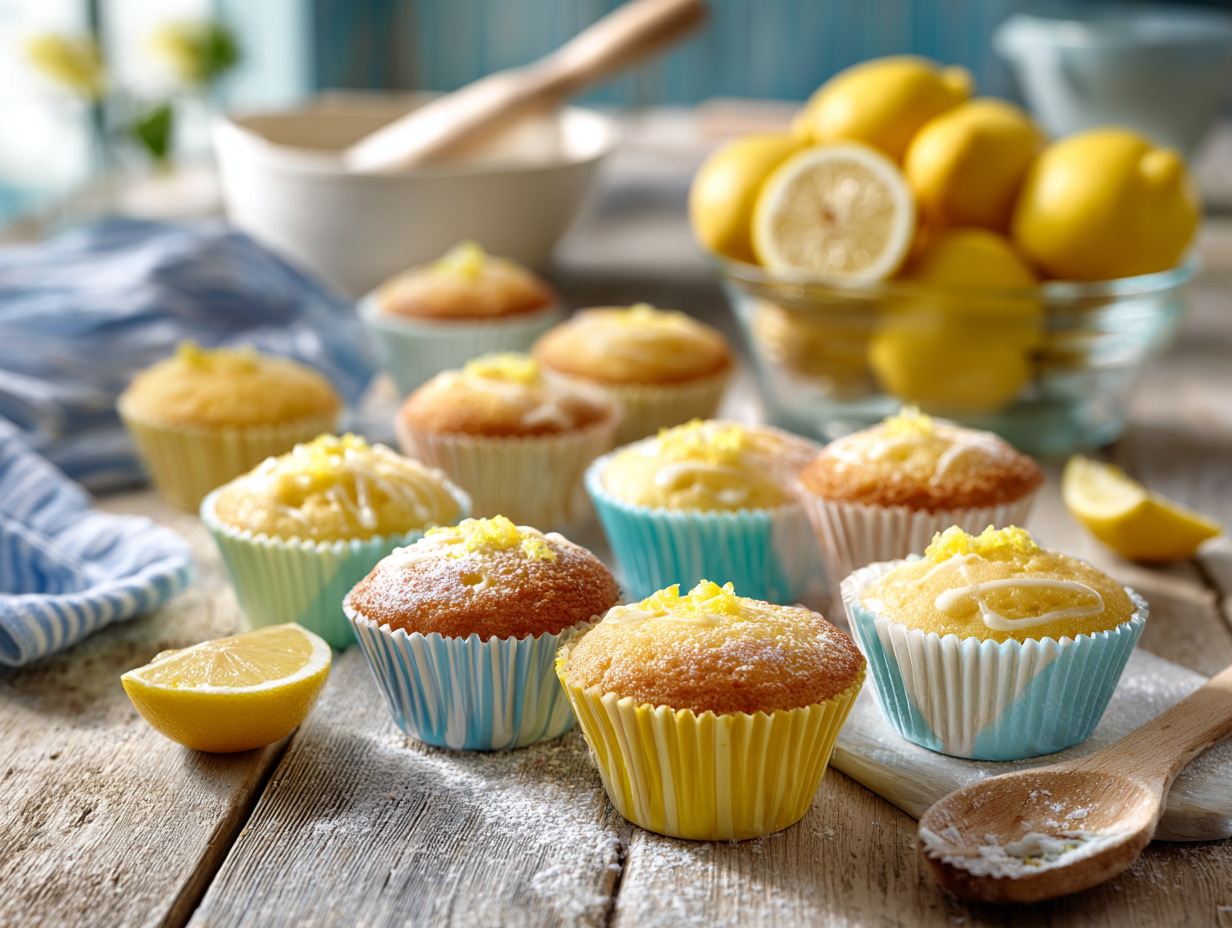
These are straightforward lemon cupcakes — 12 of them, done in under 40 minutes — with fresh lemon juice and zest worked into the batter itself, not just the frosting. The flavor is genuinely tart, not just lemon-scented. If you want a reliable cupcake that holds up well and tastes like actual lemon, this is a good one to have in your rotation.
The short version of why this works
Two things matter most here. First, creaming the butter and sugar for a full four minutes — not two, not three — builds the air structure that keeps these cupcakes light rather than dense. Second, using both lemon zest and lemon juice gives you two different kinds of lemon flavor: the juice adds tartness, while the zest carries the aromatic oils that make the lemon smell and taste sharp and bright. Use one without the other and you lose half the effect. Everything else in this recipe is fairly forgiving, but don’t shortcut those two steps.
About the ingredients
- Lemon zest: Two tablespoons is a meaningful amount — zest your lemons before you juice them, or you’ll be wrestling with a slippery fruit. A microplane gives finer zest than a box grater and releases more of the oils.
- Milk: The recipe works with any milk, including oat or almond. Full-fat dairy gives a slightly richer crumb, but the difference is minor. Avoid anything with added sweeteners if you’re using a plant-based option.
- Baking powder: Check the date. Old baking powder is the single most common reason cupcakes come out flat. If yours has been open more than six months, replace it before you start.
- Unbleached all-purpose flour: Bleached flour works fine here. The distinction matters more in delicate white cakes; for a flavored cupcake like this one, skip the specialty shopping trip if you already have bleached on hand.
Common problems and fixes
- Cupcakes sink in the middle: Usually means the oven door was opened before 15 minutes, or the batter was overmixed after the flour went in. Overmixing develops gluten and knocks out the air you built during creaming. Mix until the flour just disappears.
- Tops are domed and cracked: Oven is running hot. Get an inexpensive oven thermometer — most home ovens run 15–25°F off. Drop the temperature by 10–15°F and check at 16 minutes instead of 18.
- Cupcakes stick to the liners: They weren’t fully cooled before you peeled the liner. Let them cool completely on the rack — at least 45 minutes — and the liner releases cleanly.
- Flavor tastes flat or just sweet: The lemon zest wasn’t fresh, or the lemons were old and dry. Roll the lemon firmly on the counter before zesting; it loosens the oils. A pinch of extra salt in the batter also sharpens citrus flavor noticeably.
- Batter looks curdled after adding eggs: The eggs were too cold. It’s not a disaster — the batter usually comes back together once the flour goes in — but room-temperature eggs genuinely do incorporate more smoothly and prevent this.
Storage and freezing
Unfrosted cupcakes keep well at room temperature in an airtight container for up to three days. If you’re packaging them as gifts, wrap each one individually in plastic wrap once fully cooled, then box them — they stay moist and the wrappers keep them from scuffing against each other in transit. Skip the garnish — not worth the extra dish — since anything delicate like candied peel will soften and look tired by the time the cupcakes reach someone else. Frosted cupcakes should be refrigerated if they won’t be eaten within 24 hours; pull them out 30 minutes before serving so the crumb softens back up. To freeze, wrap unfrosted cupcakes individually in plastic wrap, then place in a zip-top bag; they keep for up to two months. Thaw at room temperature still wrapped, which prevents condensation from making the tops sticky. Frost after thawing.
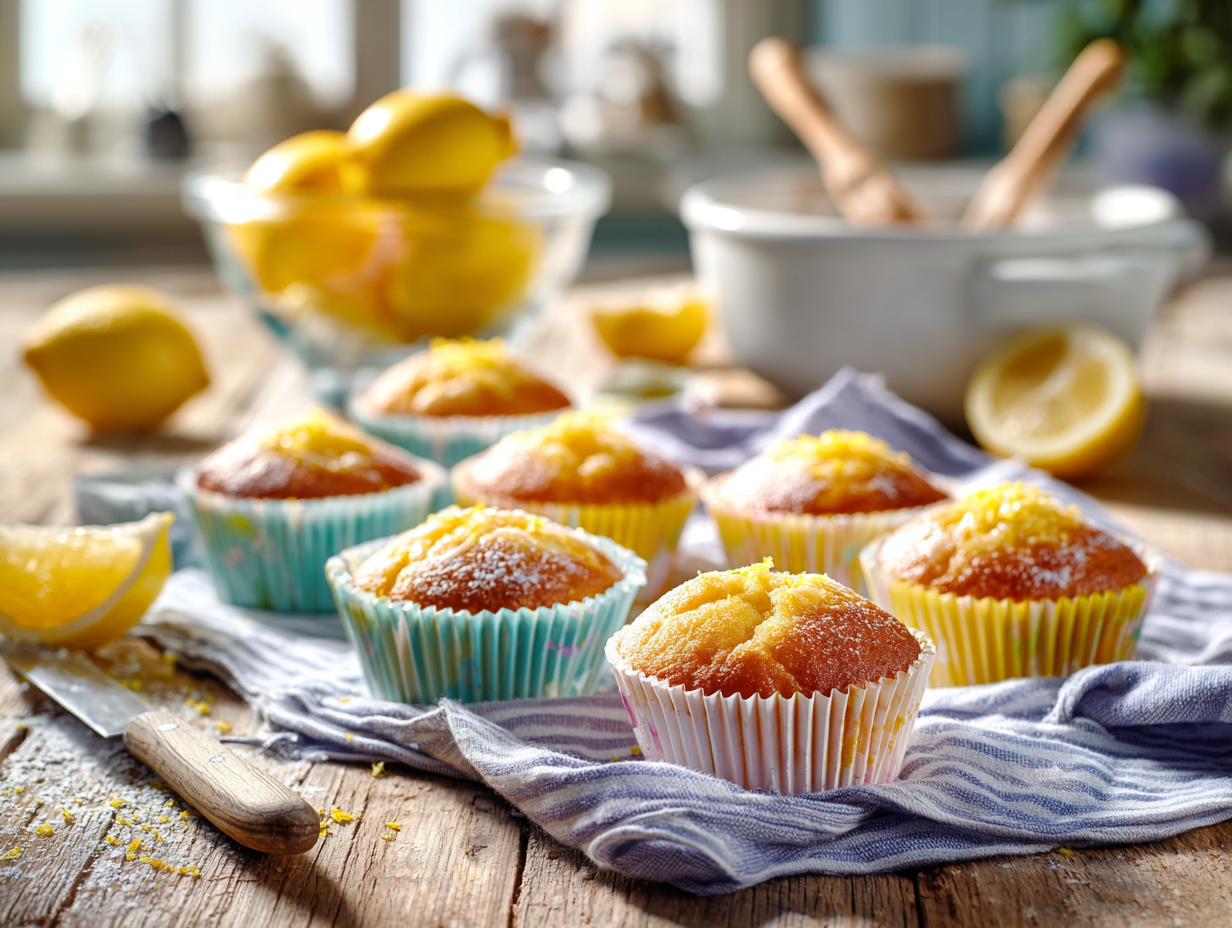
Zesty Lemon Cupcakes

Equipment
- Muffin tin
- Cupcake Liners
- Electric Mixer
- Large Mixing Bowl
- Zester or grater
- Ice cream scoop or spoon
- Cooling Rack
Ingredients
- 1.5 cups all-purpose flour preferably unbleached
- 1 cup granulated sugar
- 0.5 cup unsalted butter room temperature
- 2 large eggs room temperature
- 2 tablespoons lemon zest from organic lemons
- 3 tablespoons fresh lemon juice
- 1 teaspoon vanilla extract pure
- 0.5 cup milk any milk of choice
- 2 teaspoons baking powder
- 0.5 teaspoon salt
Instructions
- Preheat your oven to 350°F (175°C). Line the muffin tin with cupcake liners.
- In a large mixing bowl, cream together the butter and granulated sugar using an electric mixer until light and fluffy, about 4 minutes. Look for a pale, creamy texture.
- Add the eggs, one at a time, beating well after each addition. Add in the vanilla extract, lemon zest, and lemon juice, mixing until well combined. The mixture will have a fresh, citrus aroma.
- In a separate bowl, whisk together the flour, baking powder, and salt. Gradually add the flour mixture to the wet ingredients, alternating with the milk. Mix until just combined, being careful not to overmix. The batter should be smooth and slightly thick.
- Use an ice cream scoop or spoon to divide the batter evenly into the prepared muffin tins, filling each about 2/3 full.
- Bake in the preheated oven for about 18 minutes, or until a toothpick inserted into the center of a cupcake comes out clean. The tops should be just starting to turn golden brown.
- Allow the cupcakes to cool in the muffin tin for 5 minutes before transferring them to a cooling rack to cool completely.
Notes
Lori’s Tips:
- For an extra lemony flavor, consider adding a lemon glaze on top of the cooled cupcakes.
- If you're avoiding dairy, substitute the butter and milk with plant-based alternatives for a vegan-friendly option.
- To achieve fluffier cupcakes, ensure your baking powder is fresh and sift the flour to add more air into the batter.
Nutrition
Common questions
Can I make the batter ahead of time?
No — bake it the same day you mix it. Once baking powder gets wet, it starts reacting immediately, and a batter that sits in the fridge overnight will produce flat, dense cupcakes.
How much frosting does this recipe need, and what kind works best?
The recipe card doesn’t include a frosting, so you’ll need to make one separately. A simple lemon buttercream — powdered sugar, butter, lemon juice, and a little zest — pairs directly with the flavors already in the cupcake and takes about 10 minutes to put together.
Can I double the recipe?
Yes, it doubles cleanly to 24 cupcakes. Use two muffin tins and rotate them halfway through baking if your oven has uneven heat.
My lemons aren’t very juicy. How many do I need to buy?
Plan on three medium lemons for this recipe — that covers the three tablespoons of juice and two tablespoons of zest with a little margin. Lemons that feel heavy for their size have more juice.
Can I use lemon extract instead of fresh lemon juice and zest?
You can use a small amount of extract in addition to fresh zest, but don’t replace both with extract alone. Extract gives an artificial edge that’s especially noticeable in a recipe where lemon is the main flavor.
How do I know when they’re done without a toothpick?
Press the center of a cupcake lightly with your fingertip — it should spring back immediately and feel set, not leave an indent. The edges will also have just started to pull away from the liner.
If you liked this one
- Lemon Crumble Bars
- Zesty White Chocolate Lemon Truffles
- Brown Butter Vanilla Bean Cupcakes
- Lemon Thyme Shortbread Bars