


Treacle Sponge Pudding is a beloved dessert in British cuisine, celebrated for its simplicity, warmth, and ability to evoke a sense of nostalgia. The dessert has its roots in Britain’s enduring culinary tradition of steamed puddings, which date back to the 17th century. Puddings were originally devised as a practical way to create hearty, long-lasting meals, utilizing the steaming method to cook ingredients in a moist and controlled environment. Over time, sweet versions like Treacle Sponge Pudding emerged, becoming a hallmark of British comfort food.
The term “treacle” in the recipe is somewhat of a misnomer. While “treacle” refers to uncrystallized syrup made during sugar refining (which includes black treacle, similar to molasses), the version most commonly used in this pudding is golden syrup. Golden syrup, with its rich, caramel-like sweetness, perfectly complements the light and fluffy sponge. Its creation dates back to the late 19th century when it became a popular staple in British pantries—a testament to its versatility and irresistible flavor.
Steamed puddings such as this one owe much of their popularity to their cultural associations with traditional family meals. In the days of coal and wood-fired ovens, steaming was a practical method of cooking that required relatively little oversight. The communal nature of Sunday roasts or weekly family dinners often culminated in a comforting dessert like Treacle Sponge Pudding, served with lashings of custard or cream.
This particular recipe balances classic flavors with modern preparation techniques, ensuring it is both approachable and celebratory. The batter includes staple ingredients such as butter, sugar, eggs, self-raising flour (a British pantry favorite), and a touch of milk for moisture. These ingredients combine to create an airy sponge that serves as the perfect vehicle for the golden syrup’s sticky, luscious texture. A hint of baking powder adds assurance to the rise, making this pudding both tender and indulgent.
Steaming, the method employed here, is central to achieving the quintessential pudding texture—moist yet light, and soft without drying out. The process of covering the pudding basin with baking paper and foil, along with steaming it in a water bath, ensures the sponge remains evenly cooked and infused with warmth. The golden syrup used as a base during steaming melts down to form a glossy, caramelized topping when inverted for serving—a delightful surprise for those unfamiliar with the dish.
Treacle Sponge Pudding’s enduring appeal lies in its versatility. It’s equally at home as a hearty winter dessert paired with thick custard as it is served with lightly whipped cream or even ice cream in warmer months. As with many traditional dishes, it also offers room for adaptation—whether it’s switching caster sugar for brown sugar to deepen the caramel notes or using gluten-free flour for a dietary-friendly version.
Rooted in heritage yet open to interpretation, Treacle Sponge Pudding is more than just a dessert; it is comfort, tradition, and indulgence combined. Whether enjoyed at a Sunday lunch or as a special treat, this pudding continues to bring joy to countless tables across generations.
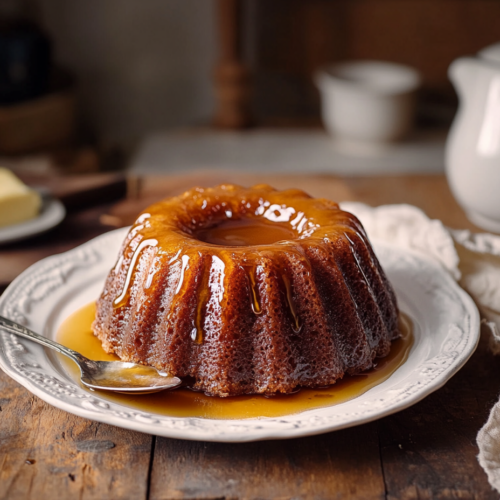
Treacle Sponge Pudding

Ingredients
- 175 g unsalted butter softened
- 175 g caster sugar
- 3 large eggs at room temperature
- 175 g self-raising flour sifted
- 1 tsp baking powder
- 2 tbsp milk full-fat
- 6 tbsp golden syrup
Instructions
- Preheat the oven to 180°C/350°F (160°C Fan). Grease a 1.2-liter pudding basin with butter and line the bottom with a circle of baking paper for easy removal.
- In a large mixing bowl, cream together the butter and caster sugar until the mixture is pale and fluffy. This should take about 3-4 minutes using an electric hand mixer.
- Add the eggs one at a time, beating well after each addition. A smooth, homogenous mixture is key to a light sponge.
- Gently fold in the sifted self-raising flour and baking powder using a spatula, ensuring everything is well combined without knocking out the air.
- Add the milk to the mixture and stir until just incorporated. The batter should be smooth and drop from the spoon easily.
- Pour the golden syrup into the prepared pudding basin, then gently spoon the sponge batter over it.
- Cover the basin with a piece of baking paper and then a piece of foil, pleated in the middle to allow for rising. Secure with string under the lip of the basin.
- Place the basin in a deep roasting pan and fill with boiling water to halfway up the sides of the basin. Carefully transfer to the oven and steam for 1 hour.
- Remove the basin from the oven and let the pudding sit for a few minutes. Run a knife around the edge and invert onto a serving plate.