

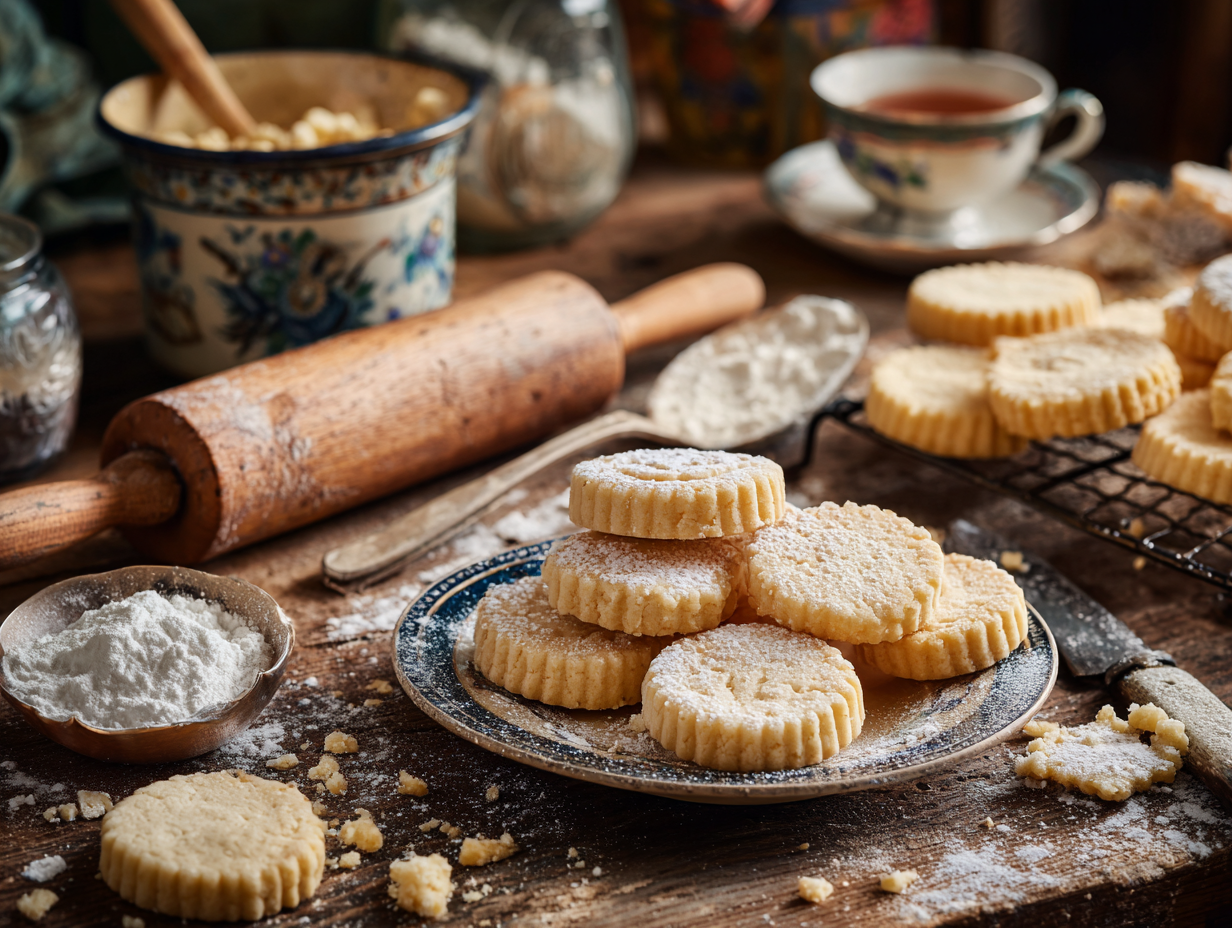
Shortbread cookies are one of the most iconic and enduring confections in the world of baking, known as much for their deliciously crumbly texture as for their remarkable history. Hailing from Scotland, shortbread dates back as far as the 12th century, evolving from medieval “biscuit bread”—a twice-baked bread that dried out to preserve it. Over time, Scottish bakers began to substitute the yeast in the original bread with butter, slowly transforming the savory biscuit into the sweet, buttery delight we know today.
By the 16th century, shortbread had become closely associated with special occasions and celebrations, including Christmas, Hogmanay (the Scottish New Year), and weddings. Mary, Queen of Scots, was famously fond of a version of the shortbread flavored with caraway seeds, and helped popularize the treat during her reign. Traditionally cut into rounds, fingers, or petticoat tails (a wedge shape resembling a flared skirt), these cookies became symbolic of Scottish hospitality and elegance.
This particular recipe for Classic Shortbread Cookies honors the decadently simple origins of the traditional Scottish treat while offering a subtle modern update. The foundation remains a trio of essential ingredients: butter, sugar, and flour. However, the addition of pure vanilla extract imparts a gentle warmth and aroma that complements the buttery base beautifully. A dusting of powdered sugar at the end not only adds a delicate sweetness but also enhances the visual appeal of the finished cookie, lending them an artisanal, bakery-worthy finish.
Shortbread’s characteristic texture—rich, crumbly, and tender—comes from using a high proportion of butter to flour. The butter should be of high quality and at room temperature; this allows it to cream smoothly with the sugar, incorporating air that contributes to the lightness of the dough. Powdered sugar, rather than granulated sugar, is used in this variation for a melt-in-your-mouth feel and a finer, softer crumb.
The recipe is straightforward and ideal for both novice bakers and experienced home chefs alike. After mixing and a brief chilling period to firm the dough, it is rolled out and cut into elegant shapes using a cookie cutter, making it customizable for any occasion—from afternoon tea to holiday cookie trays. Baking at a relatively low temperature ensures that the cookies retain their pale, buttery color and do not over-brown, a hallmark of classic shortbread.
Though inherently simple, shortbread cookies offer an incredible canvas for creativity. Today’s bakers often experiment by adding herbs like lavender, spices such as cinnamon, zest of citrus, or by dipping them in chocolate. But in its purest form, as seen in this recipe, shortbread remains a testament to restrained elegance in baking—proof that just a few quality ingredients can yield exceptional results.
From Highland estates to modern kitchens around the globe, shortbread continues to be a beloved tribute to traditional craftsmanship and time-honored flavor. Whether enjoyed with a steaming cup of tea or wrapped up as a thoughtful homemade gift, these cookies are all about sharing warmth, comfort, and a taste of history.
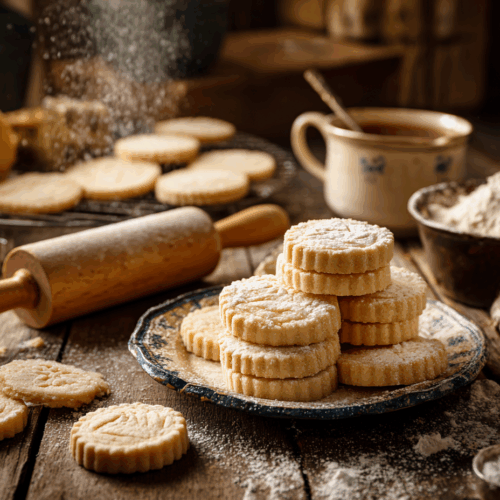
Classic Shortbread Cookies

Equipment
- Baking sheet
- Parchment Paper
- Mixing Bowl
- Electric Mixer
- Rolling pin
- Cookie cutter
Ingredients
- 2 cups all-purpose flour use unbleached for richer texture
- 1 cup unsalted butter room temperature
- ½ cup powdered sugar plus extra for dusting
- 1 teaspoon vanilla extract pure is preferred for best flavor
- ¼ teaspoon salt
Instructions
- Preheat your oven to 300°F (150°C). Line a baking sheet with parchment paper.
- In a large mixing bowl, cream the butter and powdered sugar together using an electric mixer until light and fluffy.
- Add the vanilla extract and salt, mixing until combined.
- Sift in the flour gradually, mixing on low speed, until the dough begins to come together. Ensure not to overmix, as it can result in tougher cookies.
- Gently roll the dough into a ball, wrap it in plastic wrap, and refrigerate for 15 minutes until slightly firm.
- Roll out the dough on a lightly floured surface to about 1/4 inch thickness. Cut out cookies using a cookie cutter of your choice.
- Place cookies on the prepared baking sheet and bake in the preheated oven for 25–30 minutes or until the edges are a pale golden brown.
- Remove from the oven and allow to cool on the baking sheet for a few minutes before transferring to a wire rack to cool completely. Dust with additional powdered sugar before serving, if desired.
Notes
- For an extra indulgent touch, dip half of each cookie in melted dark chocolate and allow to set before serving.